Mottled Alocasia: The Unique Plant You Need to Know About
Are you tired of the same old houseplants and want something unique and eye-catching? Look no further than the mottled Alocasia. This plant is a showstopper that will add character to any room. In this blog post, we'll explore everything there is to know about the mottled Alocasia, from its history and characteristics to care tips and common problems.
What is Mottled Alocasia?
Mottled Alocasia is an exotic plant native to Southeast Asia and the Pacific Islands. Its scientific name is Alocasia macrorrhizos and it belongs to the Araceae family, which includes other popular houseplants like the Monstera and Philodendron. The mottled Alocasia gets its name from the unique pattern on its leaves, which resembles mottled paint. The plant has large, glossy green leaves with irregular white or cream-colored patches that make it stand out from other plants.
Types of Mottled Alocasia
There are several variations of mottled Alocasia, each with its own distinct characteristics. Some of the most popular types include:
- Alocasia macrorrhizos - This is the most common type of mottled Alocasia and has large, heart-shaped leaves with white veins.
- Alocasia odora - This variety has smaller leaves with a more elongated shape and a deeper green color.
- Alocasia wentii - This type has unique, wavy-edged leaves with prominent white veins.
Characteristics of Mottled Alocasia
The mottled Alocasia is a tropical plant that thrives in warm and humid environments. It can grow up to six feet tall indoors and even taller outdoors in its natural habitat. The plant is known for its large, glossy leaves that can grow up to three feet long and two feet wide. The leaves are thick and fleshy, which helps the plant retain moisture. The mottled pattern on the leaves is caused by a genetic mutation that affects the way chlorophyll is distributed throughout the leaf. This mutation does not affect the plant's health in any way and actually makes it more unique.
Care Tips for Mottled Alocasia
The mottled Alocasia may look exotic, but it is relatively easy to care for as long as you follow a few basic tips:
- Light: The mottled Alocasia prefers bright, indirect light. Avoid direct sunlight as it can scorch the leaves.
- Watering: Keep the soil moist but not wet. Water the plant when the top inch of soil feels dry to the touch.
- Humidity: The mottled Alocasia thrives in humid environments. You can increase humidity by placing a tray of water near the plant or using a humidifier.
- Temperature: The plant prefers warm temperatures between 60 and 85 degrees Fahrenheit.
- Soil: Use a well-draining potting mix that retains moisture but doesn't get waterlogged.
- Fertilizer: Feed the plant with a balanced fertilizer every four weeks during the growing season.
Common Problems and Solutions
Like any plant, the mottled Alocasia is vulnerable to pests and diseases. Here are some common problems and solutions:
- Yellowing leaves: This can be caused by overwatering or underwatering. Check the soil moisture level and adjust watering accordingly.
- Brown tips on leaves: This is usually a sign of low humidity. Increase humidity by misting the leaves or using a humidifier.
- Spider mites: These tiny pests can infest the plant and cause yellowing and webbing. Treat with a natural insecticide or neem oil.
- Root rot: This occurs when the plant is overwatered and the roots to rot. Cut off affected roots and repot the plant in fresh soil.
Propagation
The mottled Alocasia can be propagated through division or cuttings. To propagate through division, carefully remove the plant from its pot and separate the roots into two or more sections. Plant each section in a separate pot with fresh soil. To propagate through cuttings, take a stem cutting with at least one leaf and place it in water until roots form. Once roots have formed, plant the cutting in a pot with fresh soil.
Fun Facts About Mottled Alocasia
- The mottled Alocasia is also known as "elephant ear" because of the shape and size of its leaves.
- In some cultures, the mottled Alocasia is believed to bring good luck and prosperity.
- The plant is toxic if ingested, so keep it away from pets and children.
The mottled Alocasia is a unique and eye-catching plant that will add character to any room. With a little care and attention, this tropical beauty will thrive indoors and become a conversation er. Remember to keep the plant away from direct sunlight, maintain humidity levels, and fertilize regularly. With these tips, your mottled Alocasia will grow healthy and strong for years to come.
Frequently Asked Questions
Q1. What does mottled Alocasia need to thrive?
Mottled Alocasia thrives in warm, humid environments with bright, indirect light. Keep the soil moist but not wet and feed with a balanced fertilizer every four weeks during the growing season.
Q2. How often should I water my mottled Alocasia?
Water your mottled Alocasia when the top inch of soil feels dry to the touch. Avoid overwatering as this can cause root rot.
Q3. Can I grow mottled Alocasia outdoors?
Mottled Alocasia can be grown outdoors in warm, tropical climates. It prefers well-draining soil and partial shade.
Q4. How do I propagate mottled Alocasia?
Mottled Alocasia can be propagated through division or cuttings. To propagate through division, carefully separate the roots into two or more sections. To propagate through cuttings, take a stem cutting with at least one leaf and place it in water until roots form.
Q5. Is mottled Alocasia toxic to pets?
Yes, mottled Alocasia is toxic if ingested. Keep it away from pets and children.
Q6. What causes yellowing leaves on mottled Alocasia?
Yellowing leaves on mottled Alocasia can be caused by overwatering or underwatering. Check the soil moisture level and adjust watering accordingly.
Q7. What causes brown tips on leaves of mottled Alocasia?
Brown tips on leaves of mottled Alocasia are usually a sign of low humidity. Increase humidity by misting the leaves or using a humidifier.
Q8. Can I prune my mottled Alocasia?
You can prune your mottled Alocasia to control its size and shape. Use clean, sharp pruning shears to make cuts just above a leaf node.
Q9. How big does mottled Alocasia get?
Mottled Alocasia can grow up to six feet tall indoors and even taller outdoors in its natural habitat.
Q10. What is the best soil for mottled Alocasia?
Use a well-draining potting mix that retains moisture but doesn't get waterlogged.
10 Mottled alocasia Images
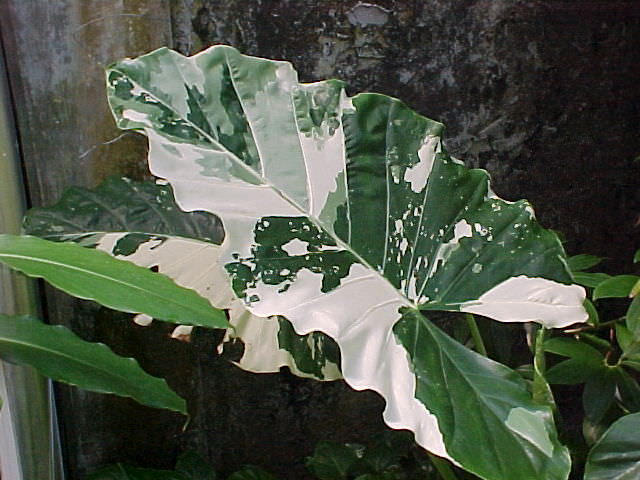
1000 Images About ALOCASIA Plants On Pinterest Persian Alocasia

Alocasia Stingray Tropical Foliage Plant

Alocasia Sarian

Alocasia Cuprea Red Secret One Only Alocasia Plant Plant

Alocasia Species Varieties Tropical Leaves Plant Etsy In 2021

Pin By Dzhina On Interior Decorating Decor Sweet Home

Alocasia Reginula Infl Beautiful Orchids Anthurium Caladium

Alocasia Macrorrhiza Variegata Plants Variegated Plants Pretty Plants

Wunderschn Variegated Plants Plants Alocasia Macrorrhiza

17 Best Images About Colocasia And Alocasia On Pinterest Sun Shock
Post a Comment for "Mottled Alocasia: The Unique Plant You Need to Know About"