The Dancing Dolphin Plant: An Enchanting and Unique Addition to Your GardenConclusion
If you're on the lookout for a unique and captivating plant to add to your garden, the Dancing Dolphin Plant might just be the perfect choice. With its striking appearance and unusual name, this plant is sure to turn heads and spark conversations. But what exactly is the Dancing Dolphin Plant, and what makes it so special? In this article, we'll take a closer look at this fascinating plant and explore its many features and benefits.
What Is the Dancing Dolphin Plant?
The Dancing Dolphin Plant, also known as Senecio peregrinus or String of Dolphins, is a rare and unusual succulent that belongs to the Asteraceae family. This plant is native to South Africa and was discovered by a Japanese collector named Shigeo Kurata in the early 1990s.
The Dancing Dolphin Plant gets its name from its distinctive foliage, which resembles a pod of playful dolphins leaping out of the water. The leaves grow in pairs and are shaped like tiny dolphins with fins and tails. The plant produces small white flowers that bloom in the summer months, adding to its charm and beauty.
How to Care for the Dancing Dolphin Plant
Like most succulents, the Dancing Dolphin Plant is relatively easy to care for and requires minimal maintenance. Here are some tips to keep your plant healthy and thriving:
- Light: The Dancing Dolphin Plant prefers bright, indirect sunlight. Be careful not to expose it to too much direct sunlight, as this can scorch the leaves.
- Water: Water your plant sparingly, allowing the soil to dry out completely between watering. Overwatering can lead to root rot and other problems.
- Soil: Use well-draining soil that is specifically formulated for succulents. You may need to add sand or perlite to improve drainage.
- Temperature: The Dancing Dolphin Plant does best in temperatures between 60 and 75 degrees Fahrenheit.
- Fertilizer: Use a balanced, water-soluble fertilizer once a month during the growing season.
Benefits of the Dancing Dolphin Plant
In addition to its unique appearance, the Dancing Dolphin Plant offers a number of benefits that make it an attractive choice for many gardeners. Here are just a few of the reasons why you might want to add this plant to your collection:
Low Maintenance: As mentioned earlier, the Dancing Dolphin Plant is relatively easy to care for and requires minimal maintenance. This makes it a great choice for busy gardeners or those who are new to gardening.
Drought Tolerant: Like all succulents, the Dancing Dolphin Plant is highly drought tolerant and can go for long periods without water. This makes it a great choice for areas with hot, dry climates.
Air Purifying: Many succulents, including the Dancing Dolphin Plant, have been shown to help purify the air by removing toxins and other pollutants. This can improve indoor air quality and promote better health and wellbeing.
Aesthetic Appeal: Perhaps the most obvious benefit of the Dancing Dolphin Plant is its unique and striking appearance. This plant is sure to be a conversation er and can add a touch of whimsy and charm to any space.
How to Propagate the Dancing Dolphin Plant
If you're interested in expanding your collection of Dancing Dolphin Plants, you may want to try propagating them. Here's how:
- Wait until your plant has produced several pairs of leaves.
- Gently remove one of the leaves from the stem, making sure to keep the entire leaf intact.
- Allow the leaf to dry out in a cool, shaded area for several days.
- Once the leaf has calloused over, place it in well-draining soil.
- Water sparingly and wait for new growth to appear.
Frequently Asked Questions
Q1. Can the Dancing Dolphin Plant be grown indoors?
Yes, the Dancing Dolphin Plant can be grown indoors as long as it receives plenty of bright, indirect sunlight and is not exposed to drafts or extreme temperatures.
Q2. How often should I water my Dancing Dolphin Plant?
Water your plant sparingly, allowing the soil to dry out completely between watering. In general, you will only need to water your plant once every two weeks or so.
Q3. What kind of soil is best for the Dancing Dolphin Plant?
The Dancing Dolphin Plant prefers well-draining soil that is specifically formulated for succulents. You may need to add sand or perlite to improve drainage.
Q4. Can the Dancing Dolphin Plant be propagated from cuttings?
Yes, the Dancing Dolphin Plant can be propagated from cuttings. Simply remove a leaf from the stem and follow the propagation instructions outlined earlier in this article.
Q5. Is the Dancing Dolphin Plant toxic to pets?
While the Dancing Dolphin Plant is generally considered non-toxic, it is always a good idea to keep it away from pets and small children to prevent accidental ingestion.
Q6. How tall does the Dancing Dolphin Plant grow?
The Dancing Dolphin Plant can grow up to 12 inches in length, although it may take several years to reach this size.
Q7. Does the Dancing Dolphin Plant require fertilizer?
Yes, the Dancing Dolphin Plant can benefit from a balanced, water-soluble fertilizer applied once a month during the growing season.
Q8. Can the Dancing Dolphin Plant be grown outdoors?
Yes, the Dancing Dolphin Plant can be grown outdoors in areas with hot, dry climates. However, it should be protected from extreme temperatures and direct sunlight.
Q9. How long does it take for the Dancing Dolphin Plant to bloom?
The Dancing Dolphin Plant typically blooms in the summer months, although the exact timing may vary depending on growing conditions.
Q10. Can the Dancing Dolphin Plant be grown in a hanging basket?
Yes, the Dancing Dolphin Plant can be grown in a hanging basket as long as it is provided with plenty of bright, indirect sunlight and well-draining soil.
If you're looking for a unique and eye-catching plant to add to your garden, the Dancing Dolphin Plant is an excellent choice. With its playful foliage and low-maintenance care requirements, this plant is sure to bring joy and beauty to any space. Whether you're an experienced gardener or just ing out, the Dancing Dolphin Plant is definitely worth considering.
12 Dancing dolphin plant Images

Pin On Garden Florida

23 Dancing Dolphine Vine Blooming How To Care For A Dancing Dolphin

Dancing Dolphin Plant Columnea Easy House Plant 5 Hanging Pot 14

Senecio Peregrinus Planten

Dancing Dolphin Vine Gardening Beautiful Flowers Garden Flowering

My Dolphin Plant Had Over 50 Blossoms On It This Year Two Years Ago It

84 Best Images About Gesneriaceae On Pinterest Orange Sherbert Red

Landscape Columnea Goldfish Plant Michigan Bulb Calls It Dancing
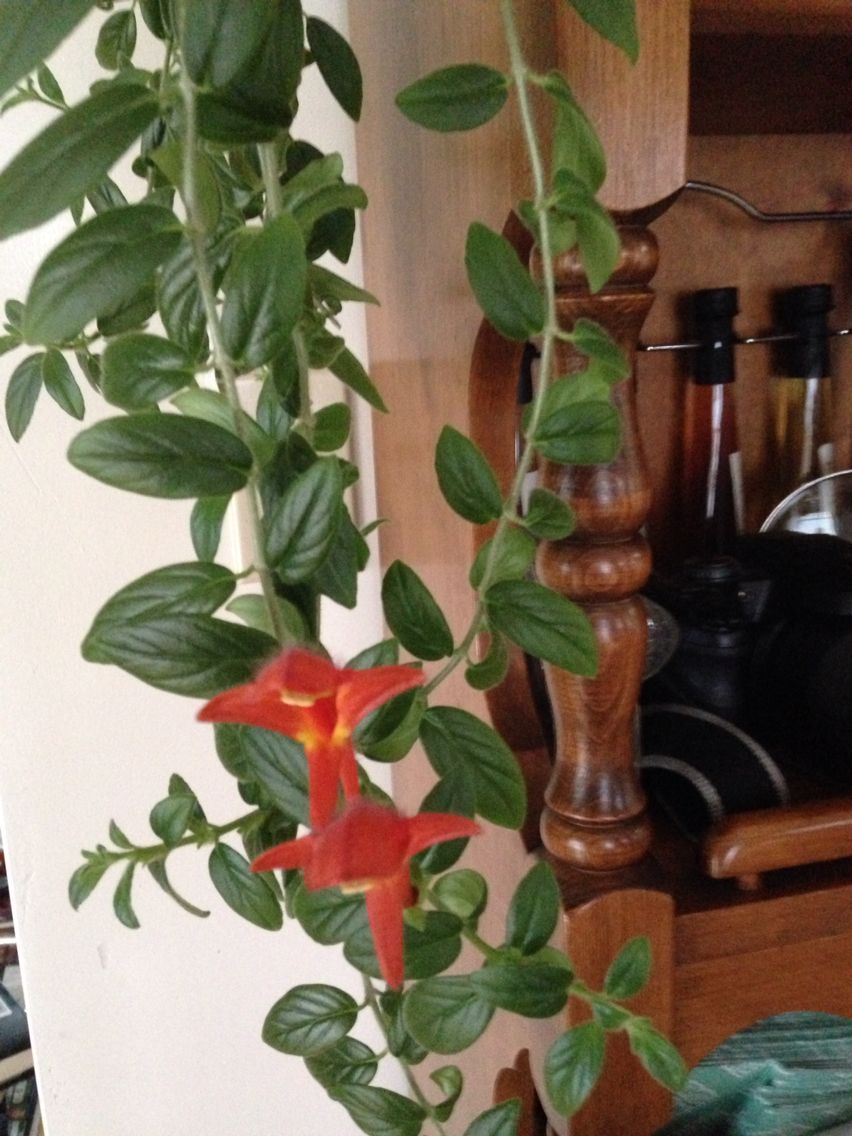
Dolphin Plant Plants Garden Dolphins
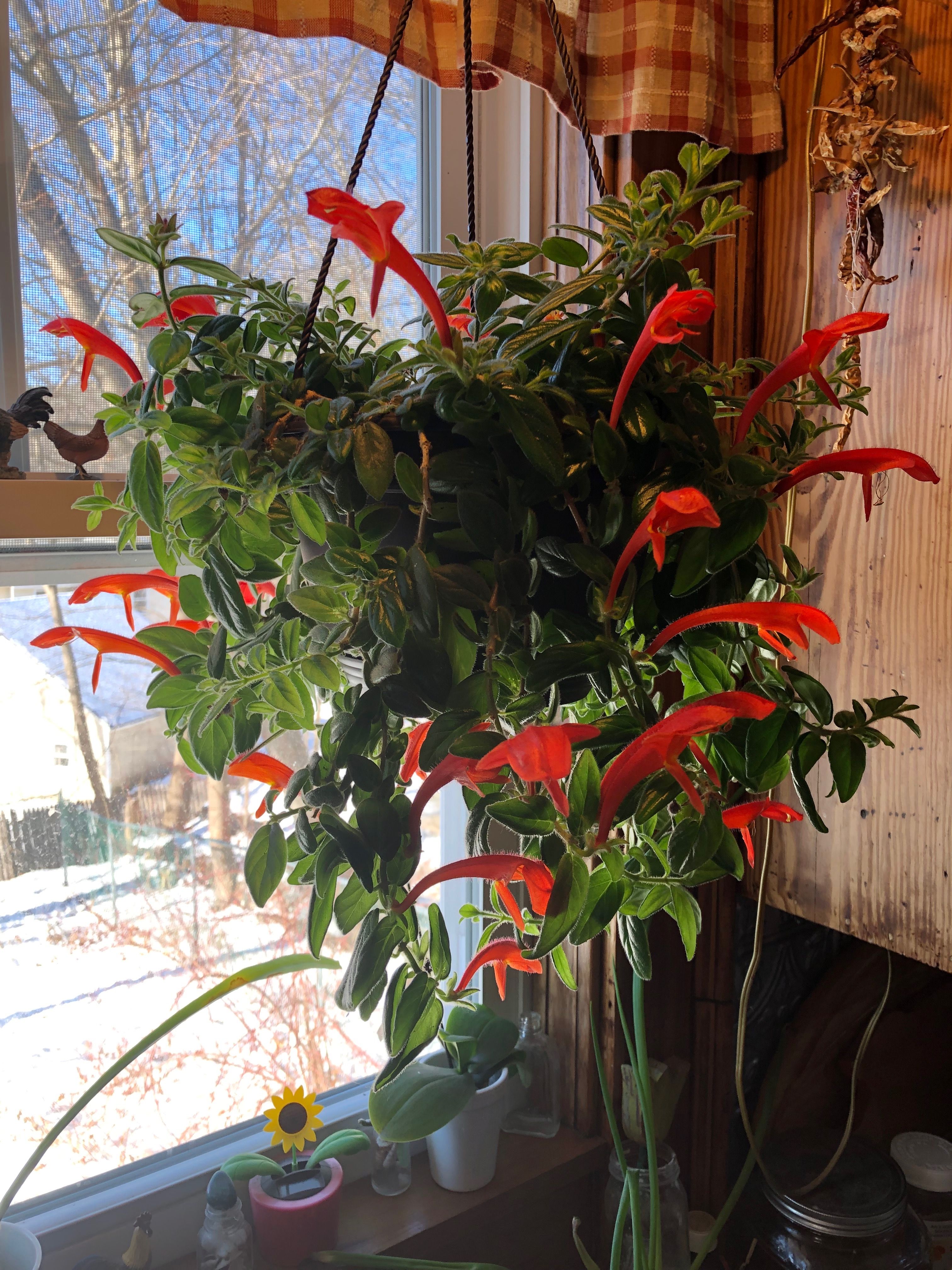
My Dolphin Planthouseplantsfullbloom Plants House Plants Houseplants

Dancing Dolphin Vine Flowering Vine Plants Bulb Flowers Beautiful

Image Result For Potted Goldfish Plant
Post a Comment for "The Dancing Dolphin Plant: An Enchanting and Unique Addition to Your GardenConclusion"